Birth of a Kingdom
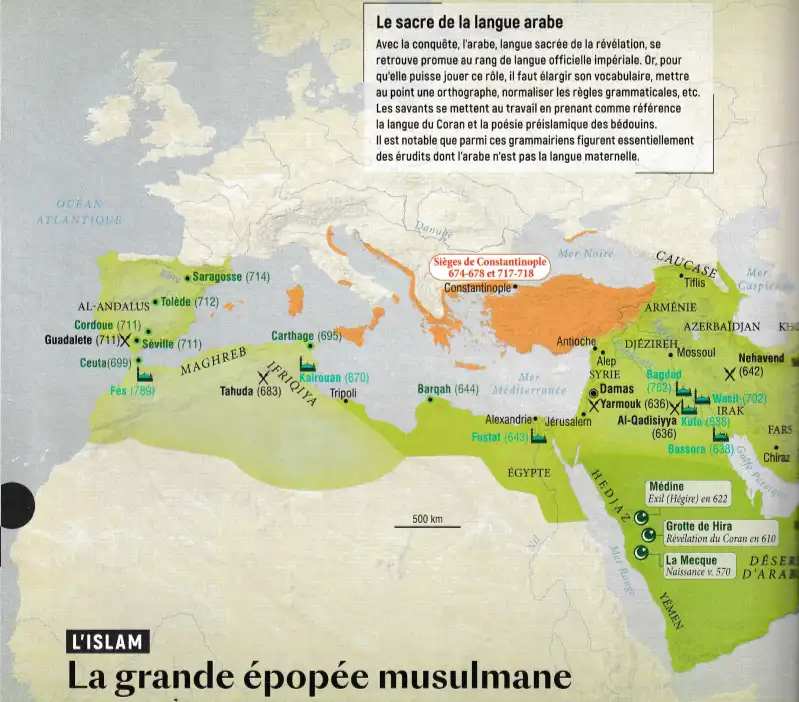
The disciples of the prophet Muhammad had seized North Africa in just a few years, starting at the end of the 7th century. However, the Berber tribes of the mountains had never ceased to revolt against the Arab invaders. Half a dozen kingdoms shared the territory, with Muslim rulers of Sunnite or Shiite faith. Yet within the population, Christian and Jewish minorities remained very significant. The Jewish communities were numerous, particularly on the southern trade routes, where many Jews of the diaspora had settled and converted their Berber neighbors.
Fleeing the infighting between Muslim factions, an Arab prince (also called a sharif) born in Mecca, took refuge in the Middle Atlas. His name was Idris, and he was none other than one of the grandsons of Ali, the companion of Muhammad, and Fatima, the daughter of Muhammad.
Idris was welcomed by the Berber tribe of the Aouraba, who lived around Volubilis, a city created by the Romans in the heart of Mauretania Tingitana, on rich cereal-growing plateaus near present-day Meknes. Recognized as king, the newcomer rejected the authority of the Abbasid caliph of Baghdad. He married the daughter of the Aouraba chief and took the name Idris I.
The kingdom would live in fierce independence, though it developed close and sometimes violent relations with the Arab Emirate of Cordoba and, later, with the Catholic monarchies of Spain, as well as with Turkey.
After a three-year reign, he was assassinated by an agent of the Caliph of Baghdad, Harun al-Rashid. However, as his wife was pregnant, she gave birth that same year, 791, to a son who would later reign as Idris II. Idris II would unify northern Morocco around his dynasty, the Idrisids. He left Volubilis and transferred his capital sixty kilometers away to Fes, in the magnificent Saïs plain, at the foot of the Middle Atlas.
Nestled against the first slopes of the Zehroun massif, above the fertile plain of Meknes, the village of Moulay Idriss surrounds with its white houses the tomb and superb mausoleum of his father Idris I, which has become a major pilgrimage site for Moroccans who cannot afford the journey to Mecca.
Thanks to Idris II, the city of Fes became the leading center of Moroccan culture and its first capital.